
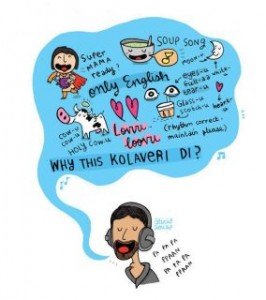
The latest craze on the social networking sites, is this song from Tamil film star Dhanush called’ Why this Kolaveri Di’. The song has more than 1.5 million downloads and is a rage all across the globe from Bhangra parties in Birmingham to Andhra get-togethers in New Jersey. Not to forget in my own home town of Delhi, the song is being played in all night clubs as well.
Brands have been trying to get their heads around as to what message goes viral and what does not. There have been instances when a message or a video has gone viral and then has been approached by the brand to take it up. A good example was the dancing Matt phenomenon, who was then approached by Visa to be used in their campaigns globally.
Matt video was an ideal fit for Visa, as Matt shot himself to fame by dancing at all famous locations worldwide. The campaign was named as the ‘Travel Happy’ campaign and was targeted at the global traveler. Various messages were given in the campaign including insulation from fluctuating currency rates. Matt since then has been relatively quieter and I think the Visa deal is off after the initial hype in 2008. I see three key challenges in using Viral marketing campaigns:
Most campaigns never take off– In cases like Matt and Kolaveri the intention was never to create a campaign. This was an isolated incident that suddenly took off as the message went viral across social media sites. The business angle came in later with Visa setting up the deal with Matt. I am sure there will be brands that will tie up with Dhanush for the Kolaveri campaign.
Life of the campaign– Most Viral campaigns are mostly short lived. It’s like the ‘Vuvuzela’ , the South African wind instrument during the World cup. There were companies offering the ‘Vuvuzela’ ring tone for their phones during the campaign. But soon after the world cup no one has since then used the vuvuzela in any of the campaigns.
Commercialization and Monetization– The key to a viral campaign is monetization. Most analytics for viral marketing campaigns allows for analytics to measure but no tool to help them monetize.
In conclusion I want to leave the readers with this one campaign that was done by Nike. I felt it was targeted, and very interesting. It featured a host of soccer greats from past and present, asking viewers to play fair in soccer. It was called the ‘Joga Bonito’. The movement to play free, fair football was led by none other than the Manchester United great Eric Cantona.
The question that remains is : How does one sustain the campaign and more importantly do brands have the skills and the creativity to create one?
You might like reading:
HDFC-Vodafone mobile banking: How it can transform banking
HDFC bank along with telecom major Vodafone recently launched a mobile banking initiative in Jhalsu, Rajasthan- an initiative that has the power to transform the way banking is done in this country. Let us understand the initiative. Jhalsu is a small village with population of around 3500 people and located 35 km north of Jaipur. This small village has been […]
Commissions not float-the hidden goldmine in banking
At a very conservative estimate, ATM transactions costs banks between Rs 5-10(this includes fixed costs like security/rent/infrastructure and variable cost of transaction processing/cash replenishment). But when the same customer directly swipes his debit card(on which many banks charge a nominal annual fee), the bank earns a commission of around 1%(the balance would go to the bank owning the Point of […]