
Food is a necessary commodity- we all agree about it and there are no second thoughts on it. The problem is as a producer I am not the only one in the market. In fact, this market probably has more producers than any other. So how do I survive in this market? How should I differentiate myself in this hard fought market?
Perhaps the answer is negative in this segment. Now imagine I am a retailer of food items. The retail market for food is again filled with hyper competition. In fact India, though has a large percentage of unorganized retail, it still has the highest store density for every 1000 persons. Then how do I determine my price in such a market- can I emerge as a price leader?
Yes, probably it is possible to achieve that. The real strategy lies in service as these products are technically the same. However improved service will mean increase in costs. Let x be the per unit change in cost and p be the additional margin that a food retailer will earn. So, if the original price was P, the new price becomes P+x+p. So the customer actually pays an additional amount of x+p. The key to success lies in controlling the magnitude of x+p within the limit beyond which it tends to negatively affect customer price preference.
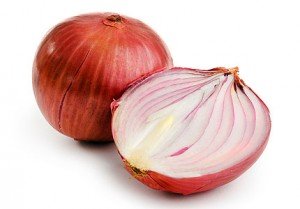
Why should a consumer pay an extra amount for service? The next stage in this process lies in effective branding. Unlike conventional brands, these brands will not be promoted. In fact they will be offered just as choice when introduced initially. Normally consumers tend to perceive branded products as those having improved quality – and it is this perception that needs to be exploited. As the initial price difference will not be significant, customers will adopt the product leading to the creation of a differentiated product. Over time this differentiated product will begin charging a premium for its brand equity and create its own segment in the market. In this way a differentiated product can be created in a market like food commodities where the products are similar.
Consider the case of Tasty Treat, an in-house food brand launched by future group. It was introduced in the retail stores of future group with hardly any fanfare, and was placed alongside products like lays or magi. The strategy it used was discounting to attract initial customers and once the retail chain realized that customers are buying the brand they quickly stopped the promotional offers and presented it as a direct substitute to major brands. In the strategy that I am suggesting we end up creating a Tastytreat when there is no other brands available. Imagine creation of branded tomatoes or onions. Will you be willing to buy them?
You might like reading:
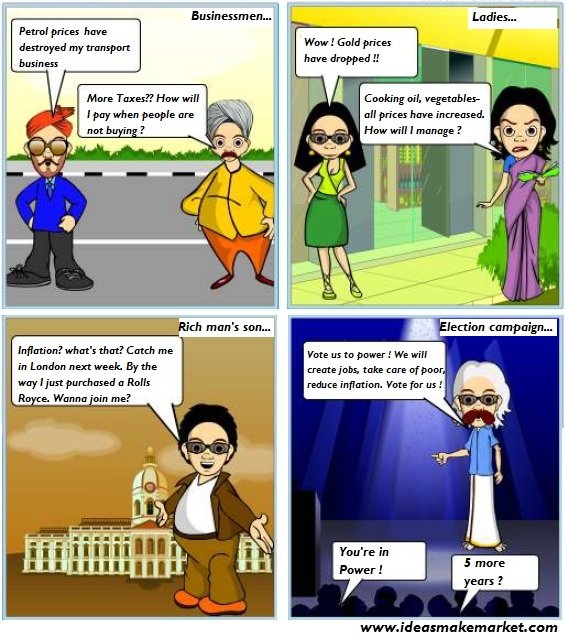
IMM Comics: How is Inflation affecting us !
Inflation has affected almost everyone of us. What are the citizens saying? Where is the economy heading? IMM Comics presents its latest take on the issue ! Have a look: Tags: IMM India inflation

How dynamic is today’s HRM ?
HRM has evolved from operational to strategic field in past few years. Globalization, competition, and information technology have created an agile environment for the organizations which has forced them to align their human resource management strategies with the organization goals. Looking at the current market space, the focus is shifting from volume to value. The companies now want to reward […]