
Can we create a free smart phone ? In the digital age, right to internet should be considered a fundamental right and there is no better way to ensure the same for rural India. While there have been many failed attempts in this regard, a freemium model can be a possible solution. Indian telecom operator Jio tried to work this around by providing a device at an upfront cost and then refunding the amount after a period of 3 years if the device is returned in proper working conditions. In its plan subscribers are required to pay the monthly rental as well with only the device being offered at discounted price. Can there be a completely free ad-supported model for telecom users ?

Let us assume, that a smart phone costs INR 3000 ( basic configuration 1 GB ram, 5 inch screen, 16 GB memory). Considering a useful life of 3 years and rate of return of 12%, the monthly return works out to approximately INR 98.67 ( lets round it up to INR 100) at zero future value. Now add to this a bundled data and voice plan at approximately 150 per month, the total cost works out to 250 per month.
This can be easily recovered through advertisement revenue as well as one-time fee for bundled apps in the smart phone. The cost of acquiring new customer for any mobile app is at least 5-6 USD ( roughly INR 300 ). Assuming at least 10 apps are installed , 5 of which needs to be logged in at the time of phone setup, half of the phone cost is already recovered for the manufacturer. Hence now the balance cost is only INR 200 (INR 150 for data + INR 50 for device) on a monthly basis that needs to be recovered.
This can be recovered through reserving 15% of screen for advertisement and survey links in the phone. If the company manages to generate approx INR 7(10 cents) per day per customer, it is break-even. At INR 10, company can also recover after sale costs. However, there is one major factor that has been overlooked : Distribution.
Distribution and supply chain mechanics will be a crucial factor for the model to be successful. This will also increase the costs to ensure last mile delivery. Then there is branding of the product in order to increase the acceptance as trust and credibility is going to be a major hurdle. The biggest challenge, however is the though the intent. What if the person who takes the phone does not fill the surveys or installs an ad-blocker which defeats the entire commercials of the business model. Furthermore the concern over data privacy of the user is another major concern. The ability of user to select which application to install as per his preference is also compromised. This can also have implications in terms of fair competition and regulator may block such an attempt.
It is to be seen if any company in future envisages a completely free data and voice network for consumers and is aggressive enough to offer a free handset. That in many ways, will be a complete gamechanger.
Tags: jio mobile telecomYou might like reading:
Industry Stalwarts discuss recruitment trends at XIMB HR Conclave
6 September 2015, Bhubaneswar XIMAHR, the HR committee of XIMB organized“Kshitij” 2015, their annual HR conclave on 6th of September. This year’s topic of discussion was “Emerging trends in Recruitment”. Eminent speakers from diverse industries graced the panel, which included Pradeep Deshpande, GM Talent Acquisition, Schnieder Electric, PriyaRanjan Prasad, COO and SVP, Essar Steel India Ltd., SimantaMohanty, Executive Chief Consultant, […]
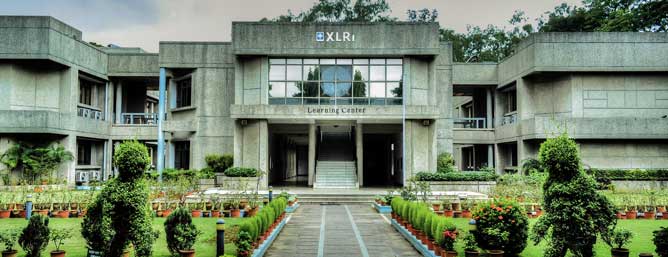
XLRI Placement Report 2015: 100% Placements in 3.5 days
Xavier School of management (XLRI) has achieved 100% placement in 3.5 days for its current outgoing batch of 2013-15, the largest batch to ever sit for final placements in the history of XLRI. Placement 2015 at XLRI Jamshedpur was completed in a record time of 3.5 days with probably the shortest ever recruitment season in the institute. Key Trends in […]