
Well, I too, was excited to try out Starbucks. The store offers a wide range of standard Starbucks beverages along with a large variety of food items catered to the Indian taste buds like the murg makhani pie and mutton seekh in roomali roti. The price points are between Rs 80- Rs. 200 similar to the already established competitors that cater to the price conscious consumers. Being a flagship store, it has a well decorated ambience of an Anglicized dhaba with jute ropes, cemented walls and the rustic wooden furniture which makes it different from its competitors like Barista, CCD and Costa Coffee. However, all you see is people clicking pictures at practically every place in the store! The store, currently, is noisy, cramped & over-crowded. Are customers actually enjoying the “STARBUCKS” coffee or is it just for namesake that “You know I went to STARBUCKS”?
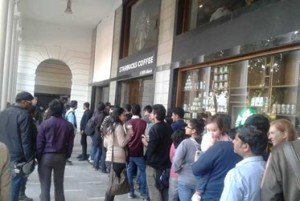
Starbucks is not the first foreign player in the coffee market in India. Established players like UK’s Costa Coffee and US’s Coffee bean & Tea Leaf are already present in the country. But the brand of Starbucks make it an entirely different game. Consumers have seen Starbucks on tv, in Hollywood movies like Sleepless in Seattle, Devil wears Prada among others and are curious about it. This has resulted in a cult following for the company. The consumers don’t mind waiting in line or paying the premium. For them, it is the larger than life experience.
You might like reading:
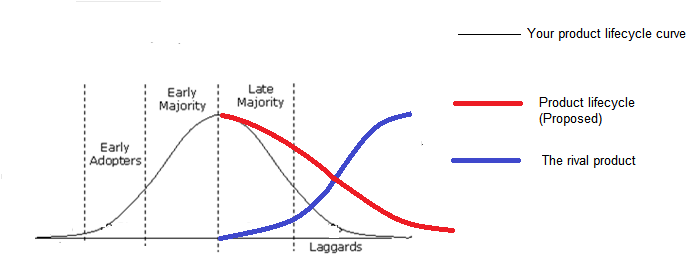
Controlling the fall of product
The new product launched by your rival is eating up your market share ! And to make it worse he is doing it by presenting a whole new technology to the market. You need to develop a product better than him! But that takes time and also has costs. How do you stay competitive in the market for longer period? […]
Coal Block De-allocations: The Implications & Challenges
The coal block allocation scandal, or the Coalgate, as it is popularly known; garnered international media attention when it came to light after the CAG office accused the Government of India of inefficiencies and irregularities in the process of allocation of coal blocks during 2004-2009. Coal is a precious natural resource and hence, coal blocks must be allocated to organisations […]